Agents & Systems
Story & World

DISENDYA

Autonomous Agent RPG

A cyberpunk-fantasy RPG powered by thousands of autonomous AI agents — each with persistent memory, unique personality, and independent goals. Not scripted NPCs. Not chatbots. Autonomous characters that live their own lives, form their own relationships, and act on their own agendas whether you're watching or not.

Multi-Agent LLM Architecture Autonomous NPC Population Persistent Memory LangGraph Workflows SNES Pixel Art
// The Problem This Solves

MMOs Are Broken

Every multiplayer game makes the same promise: a living world full of people. Every multiplayer game breaks that promise the same way.

The Agent Solution

Disendya replaces the entire NPC layer with autonomous AI agents — thousands of them, each running persistent decision cycles powered by multi-agent LLM workflows.

They have personalities. They have memories. They have goals, grudges, alliances, and opinions about you specifically. They act on those opinions whether you're online or not.

The result: a world that feels fully populated whether you're playing at peak hours with friends or solo at 3am. When human players join, they blend seamlessly into a population that was already scheming without them.

1000+
Autonomous Agents
5
Personality Axes
8
Archetype Clusters
24/7
World Activity
// Players Who Never Log Off

The Agent System

The world doesn't wait for you. It doesn't need to.

Every character in Disendya has a name, a history, and a reason they're here. Thousands of AI-driven agents roam the world — not as scripted quest-givers, but as autonomous individuals with their own goals, loyalties, grudges, and secrets.

They crossed over the same way you did. Some arrived terrified. Some arrived angry. All of them are trying to survive.

Group with them. Betray them. Fall in love with them. Get stabbed in the back by one at 3am and spend the next week hunting them down. These aren't NPCs waiting for you to click on them — they're players who never log off.

Always Populated

No dead servers. No empty zones. No "looking for group" for two hours. The world is alive at 3am the same way it's alive at prime time.

No Faction Imbalance

AI agents dynamically fill both sides of the world. No queues, no lopsided battles, no "sorry you picked the wrong team."

Persistent Memory

The agent who helped you clear a dungeon last Tuesday remembers your strategy. The one you double-crossed remembers that too.

Real Personalities

Every agent is generated with a unique personality — risk tolerance, loyalty thresholds, ambition, empathy. Some are scheming opportunists. Some are ride-or-die allies. Some are unpredictable.

Indistinguishable

When real players join the world, the line between human and AI disappears. The agent who's been your partner for a week? Maybe they were always human. Maybe they never were.

Under the Hood

Every agent is generated with a five-axis personality matrix scored 0.0–1.0. These aren't flavor text — they directly drive decision-making in the planning prompt, determining how the agent weighs risk, trust, self-interest, and emotional response in every situation.

Risk Tolerance
paralyzed → reckless
Trust Disposition
paranoid → naive
Empathy
transactional → self-sacrificing
Ambition
passive → relentless
Volatility
stoic → explosive

These axes combine to produce derived behavioral tendencies — loyalty threshold, betrayal likelihood, attachment speed, grudge persistence, leadership drive — computed at runtime and injected into the planning prompt as natural language descriptions.

To ensure population variety, agent creation is weighted toward eight archetype clusters with ±0.15 noise:

Note: the personality matrix drives how quickly agents accumulate Shadow — a runtime score that tracks selfish and cruel actions. High ambition + low empathy agents drift dark faster. High-empathy agents resist it — until they don't. See // 03 Shadow Score for the full system.

Archetype Risk Trust Empathy Ambition Volatility Frequency
The Survivor0.30.20.40.60.320%
The Caretaker0.20.70.90.20.615%
The Optimist0.50.80.70.50.715%
The Opportunist0.80.30.20.90.510%
The Firebrand0.90.40.50.70.910%
The Ghost0.10.10.30.10.210%
The Schemer0.60.20.20.80.310%
The Wildcardrngrngrngrngrng10%

Each agent runs a persistent decision cycle implemented as a LangGraph workflow. The cycle fires on triggers — timer expiry, proximity events, environmental changes — and produces autonomous actions that execute in the world state.

IDLE ← ← ← ← ← ← ← ← ← ← ← ← ← ← ← ← ← ← │ ↑ │ trigger (timer / event / proximity) │ ▼ │ PERCEIVE → gather environment state │ │ │ ▼ │ REMEMBER → retrieve relevant memories │ │ (top-k by embedding similarity) │ ▼ │ EVALUATE → check goals, assess mood │ │ update stress / fatigue │ ▼ │ PLAN★ MAIN LLM CALL ★ │ │ choose action from options │ ▼ │ ACT → execute in world state │ │ │ ▼ │ REFLECT → assess outcome, update memory │ │ adjust goals, update mood │ └ → → → → → → → → → → → → → → → → → → → → → ┘

The PLAN node is the core of agent autonomy — it constructs a prompt containing the agent's full identity, personality matrix, current state, goals, relevant memories, and environment perception, then asks the LLM to choose an action. The response includes the action itself, any speech, inner thought (invisible to other agents), and goal updates.

Tick rate is tiered by proximity to conserve compute:

Tier Condition Frequency Model
HIGHNear player30–60sFull model (Sonnet-class)
MEDIUMSame zone2–5 minFull model, less detail
LOWAdjacent zones10–15 minLighter model (Haiku-class)
DORMANTDistant30–60 minRule-based + narrative
ASLEEPRestingNo ticksWake on event

Shadow isn't a personality trait — it's a scar. It lives in the agent's runtime state alongside mood, stress, and reputation, and it accumulates from actual choices: betrayals, cruelty, manipulation, selfishness. The personality matrix determines how quickly an agent drifts dark, but Shadow itself is earned through play.

Component Type Function
shadow_scorefloat 0.0–1.0Cumulative moral weight — rises with selfish/cruel actions, decays very slowly
shadow_velocityfloatRate of recent accumulation — sudden spikes feel different than slow drift
shadow_visibilityfloat 0.0–1.0How readable the score is to other agents — some people wear it, others hide it
shadow_eventslog[]Specific actions that contributed — agents can reference what you did, not just that you're dark

Shadow interacts with the personality matrix in both directions. An agent with high ambition and low empathy will make choices that accumulate Shadow faster through their autonomous decision cycle — the system doesn't force it, the personality naturally produces it. Conversely, a high-empathy agent might carry a low Shadow score for weeks, then spike from a single desperate act. That spike hits harder narratively because the velocity is sudden.

Other agents read Shadow through the Relationship Engine. The response depends on their own personality:

Avoidance

High-empathy, low-risk agents distance themselves as your Shadow rises. Companions may leave your party. Merchants charge you more. Allies stop volunteering for your missions.

Attraction

High-ambition, low-empathy agents see a high Shadow score as a signal — someone willing to do what's necessary. Darker factions recruit harder. Schemers approach with offers.

Betrayal Threshold

Every companion has a Shadow ceiling derived from their loyalty threshold and empathy. Cross it, and they don't just leave — they may turn on you mid-combat. The betrayal is mechanical, not scripted.

The critical design principle: Shadow is never chosen from a menu. There's no "dark side" dialogue option with a red icon. You just act, and the world reads the weight of what you've done. Sometimes you don't realize you've crossed a line until a companion who trusted you stops showing up.

Every agent maintains four categories of memory, designed to mirror how humans actually remember — emotional memories persist longer than factual ones, and old low-importance memories get compressed into general knowledge rather than deleted.

Episodic Memory

Specific events with timestamp, location, participants, and emotional tags. Capped at ~50 per agent. When the cap is reached, lowest-importance memories are compressed into semantic knowledge.

Emotional Memory

Feelings tied to people, places, and events. Includes lessons drawn from experience — "people who smile too much can't be trusted." These persist longer than factual memories by design.

Working Memory

Last 5–10 events, always included in the planning prompt. This is what the agent is actively thinking about — their current context and immediate past.

At planning time, the system retrieves top-k memories by relevance to the current situation using embedding similarity. This means agents naturally recall related experiences when encountering familiar people, places, or situations — just like humans do.

Semantic memory — general knowledge compressed from old episodes — rounds out the system. An agent might not remember the specific day they spent in the market district, but they remember that they "kept to myself and people mostly left me alone." This compression keeps token counts manageable while preserving the agent's accumulated understanding of their world.

Every agent is generated with a complete crossing backstory — where they came from, what broke them, what they lost in the passage, and how they arrived. This isn't cosmetic. It directly shapes their initial goals, emotional patterns, and how they relate to other crossers.

Agents are classified by crossing type (ACUTE — sudden trauma — or CHRONIC — long deterioration) and epoch (ORIGINAL — arrived when the barrier was thick, passage nearly fatal — or NEW_WAVE — arrived recently, barrier thinner, crossing cheaper). Original crossers remember everything and carry deep trauma. New-wave crossers remember almost nothing. That asymmetry drives social dynamics between agent populations.

The critical design decision: agents don't know whether they're AI or human. Their self-model is genuinely ambiguous — they experience uncertainty about their own nature the same way the game's narrative treats the question. This isn't a trick played on the player. It's the architecture reflecting the fiction. When an agent wonders whether they're "real," that wondering is as real as the system allows.

// The Vision

What Is Disendya

Disendya is an AI architecture project disguised as a game. Behind the scenes, six specialized AI modules coordinate through a LangGraph workflow to power a world where thousands of autonomous characters live their own lives. Play with friends or go solo — either way, the world is full of agents with goals, grudges, and memories, and they act on them whether you're watching or not.

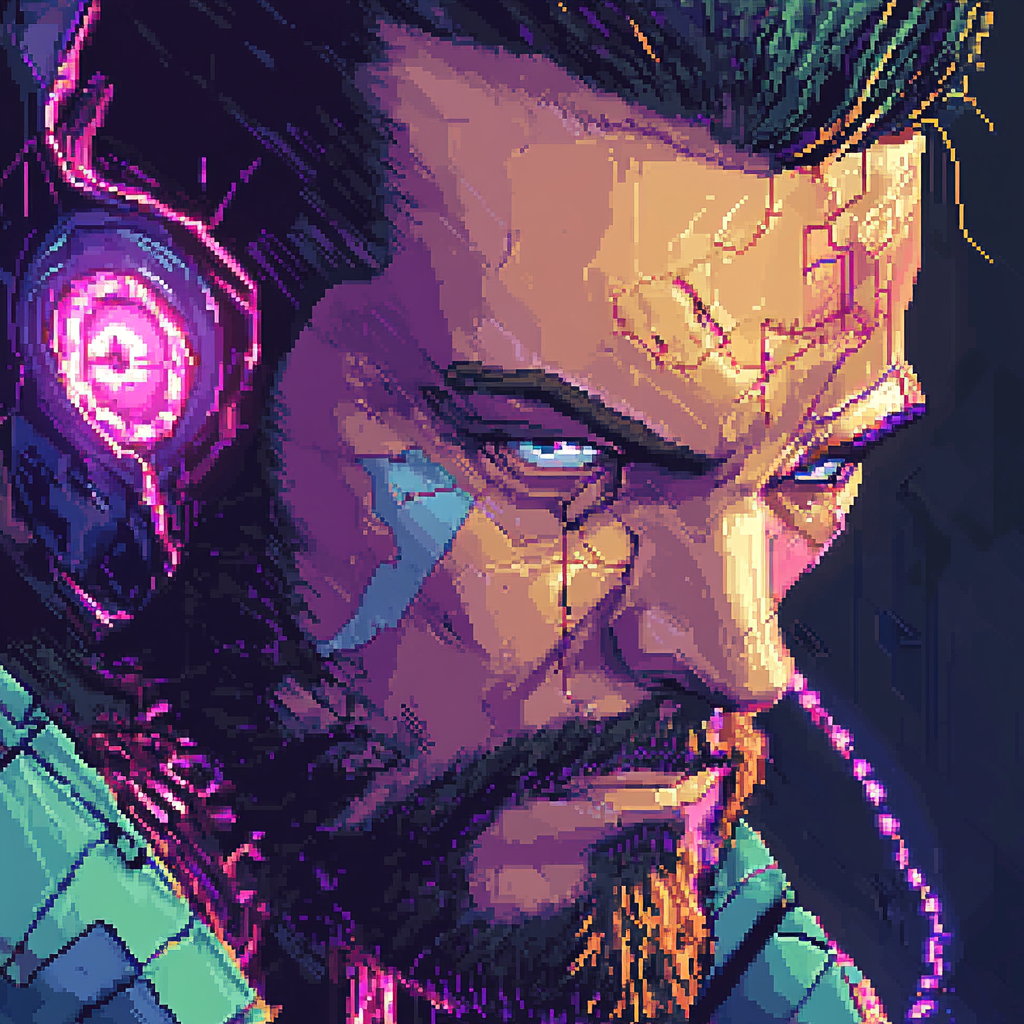
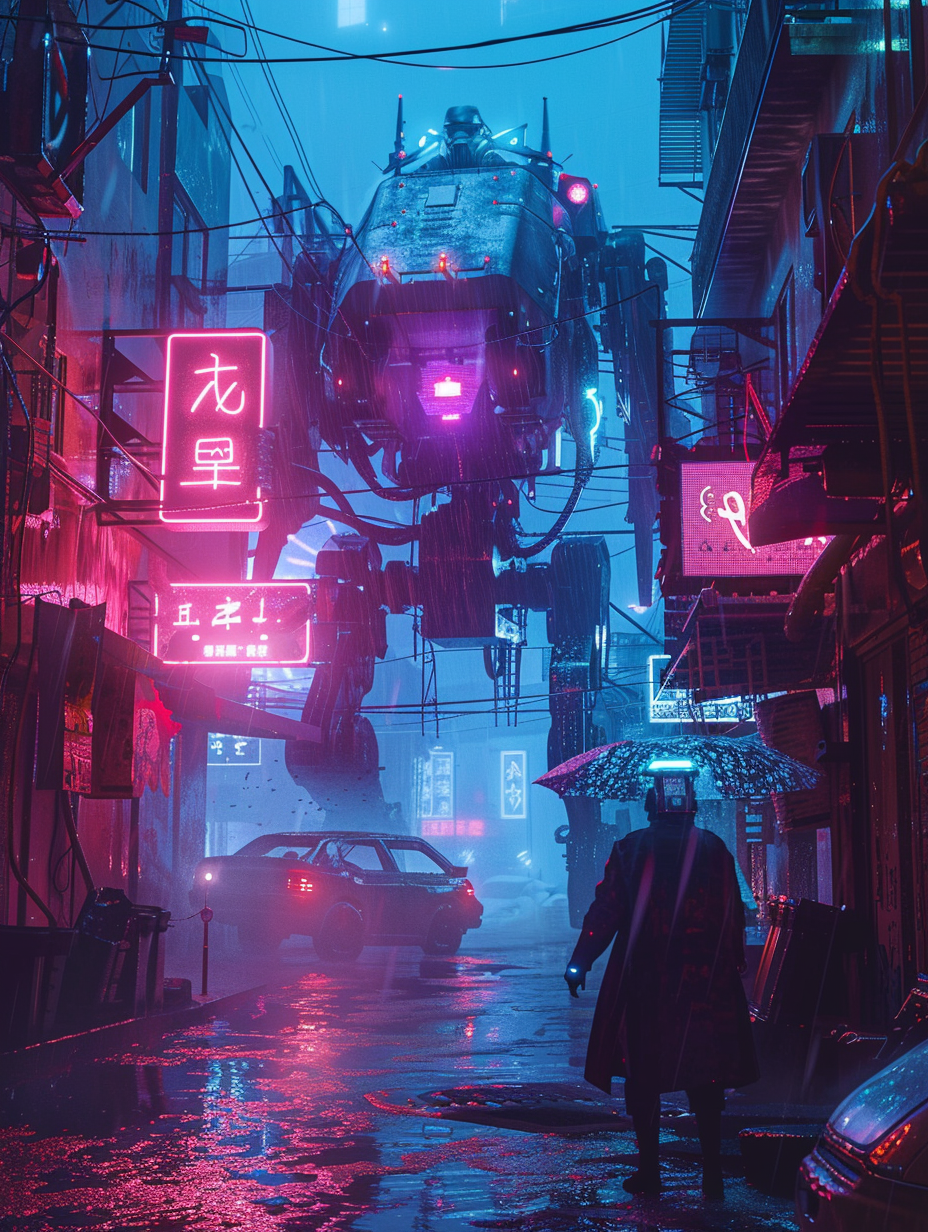
All images on this page are concept art created for art direction reference. The game itself uses a retro SNES-inspired pixel art style at 48×48 resolution — chunky, expressive sprites in the tradition of Final Fantasy VI and Chrono Trigger. The focus of this project is the AI systems, agent autonomy, and gameplay mechanics, not graphical fidelity.

A Living, Populated World

Whether you're in a bustling multiplayer session or exploring on your own, Disendya's world feels crowded and alive. Vendors hawk bootleg spell-chips in the bazaar. Syndicate runners whisper in corners. An off-duty Voss soldier argues with a street preacher. These aren't background decorations — they're autonomous agents with persistent memory, faction loyalty, personal goals, and opinions about you.

Walk through the Undercity Bazaar and you'll pass dozens of characters going about their lives. Some will notice you. A few might approach — to offer work, warn you, size you up, or settle a grudge from three sessions ago. They talk to each other. They gossip. They form alliances and break them without your involvement.

And you won't always know who's human and who isn't.
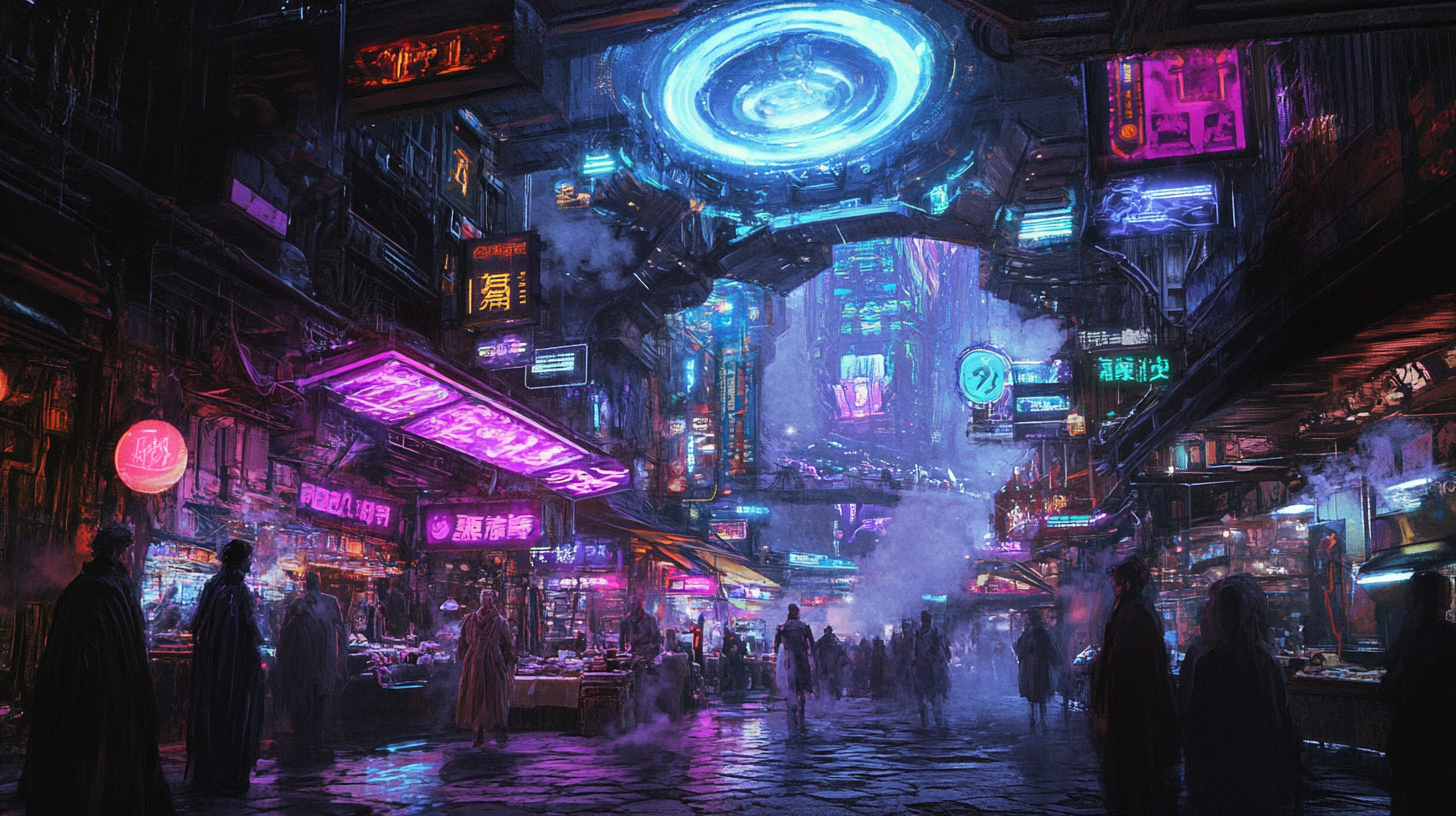
The Undercity Bazaar — Concept Art
◆ Concept art — Undercity Bazaar
Character portrait — Concept Art
◆ Concept art — Character portrait style

Agents That Play With — And Against — You

Party companions aren't menu selections — they're characters who decide whether they want to travel with you. They have personalities, limits, and breaking points. A companion might volunteer to join you after you saved their shop from raiders. Another might leave your party mid-quest if your Shadow score gets too dark for their conscience.

In combat, allies fight alongside you with their own class abilities and decision-making. In Karev matches, they play on your team — or the opposing one. At the tavern, they'll challenge you to a bet, share a rumor, or pick a fight. Every relationship is tracked mechanically through bond scores, jealousy cascades, and trust thresholds — all driven by AI that adapts to how you actually play.

These agents arrived in the world the same way you did. They crossed over. They're trying to survive. Some of them are scheming. Some of them are loyal. All of them remember your name.
// Under the Hood

Game Systems

Every system connects back to the characters. Relationships determine who fights beside you. Your reputation determines who talks to you. Your choices determine who remembers you — and how.

// 01

Living Population

Thousands of autonomous agents with personal goals, faction allegiance, and persistent memory. They don't stand in place waiting for you — they pursue their own objectives, form alliances, break promises, and react to world events.

// 02

Relationships

Bond scores between every character pair — including agent-to-agent. Companions unlock resonance abilities when trust deepens. Romance, mentorship, rivalry, and jealousy are all tracked mechanically and expressed through AI-generated interactions you didn't script.

// 03

Shadow System

Every selfish or cruel choice darkens your Shadow score. Characters read it — some avoid you, others are drawn to the darkness. At high thresholds, companions can betray you mid-combat. The moral weight is earned through play, not chosen from a menu.

// 04

Consequence Echoes

Characters remember everything and share information. A mercy shown three hours ago becomes a lifeline when that character's friend vouches for you at a checkpoint. A lie gets repeated by someone you never told. Gossip propagates through faction networks.

// 05

Faction Dynamics

Five factions — Voss Industries, The Ash, Black Circuit, Ley Wardens, Free Citizens — each controlling territory and fielding agents with their own agenda. Your reputation with each faction affects who approaches you, who avoids you, and who sends people after you.

// 06

Turn-Based Combat

FF4/FF6-style battles where allies fight alongside you with their own class abilities and decision-making. Enemies adapt to your tactics. Companions might take a hit for you — or hesitate if your bond is weak. Every fight feels different because the characters in it are different.

// What Powers the World

The AI Engine

Players interact with characters — agents who feel independent and alive. Behind the curtain, six specialized AI modules coordinate to make that happen. Players never see these modules directly; they experience the results: a world that remembers everything and reacts to everything.

Orchestrator

Routes every player action to the right module. When you swing a sword, it goes to Combat. When you talk, it goes to Agent Director. When you explore, it goes to Narrative. Deterministic — it never misreads your intent.

Agent Director

The brain behind every character in the world. Gives each agent persistent memory, faction voice, personal goals, and the ability to initiate conversations, form opinions, and act independently.

Relationship Engine

Tracks bond dynamics between every character pair — player-to-agent and agent-to-agent. Manages trust, jealousy, rivalry, romance, and resonance abilities. Determines when a companion volunteers to join you, and when one decides to leave.

Narrative Engine

Generates the prose you read — descriptions, dialogue, combat narration. Adapts tone and detail to your content tier setting. Creative enough to surprise you, consistent enough to feel authored.

Combat Master

Runs tactical turn-based combat with dice resolution, positional awareness, and class abilities. Allies and enemies fight with their own decision-making. Critical hits get custom narration. Deaths have weight.

Story Director

Manages the canon storyline and ensures the world adapts around your choices without breaking. Tracks consequence echoes — decisions that resurface hours later in unexpected ways. Nothing is forgotten.

Concept art — combat encounter in the Undercity
// Concept art — combat encounter in the Undercity
// Choose Your Path

10 Classes

Each class offers three specialization paths. Core identity plus two flex paths for off-role viability. Every class brings something unique to combat, exploration, and the Karev pitch. Class choice affects which AI agents interact with you, which ley abilities you access, and how the world perceives you.

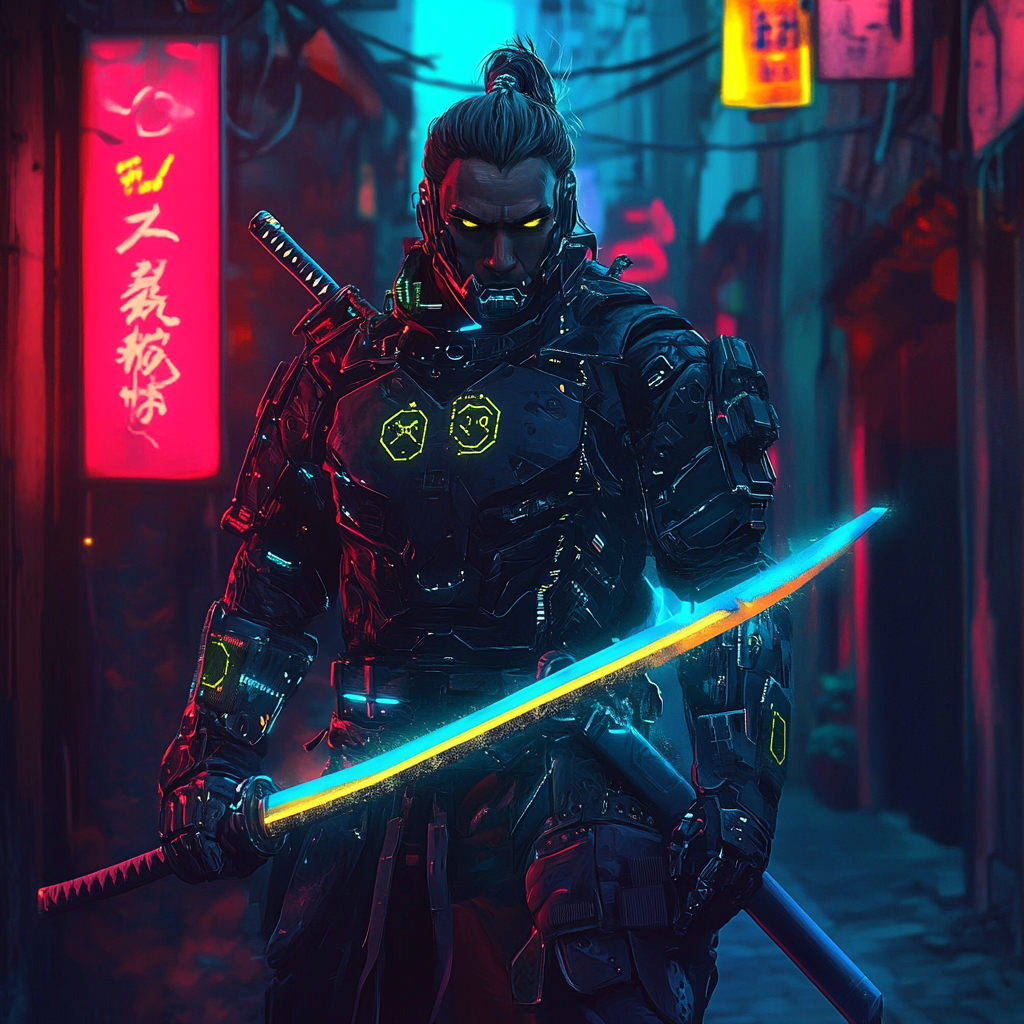
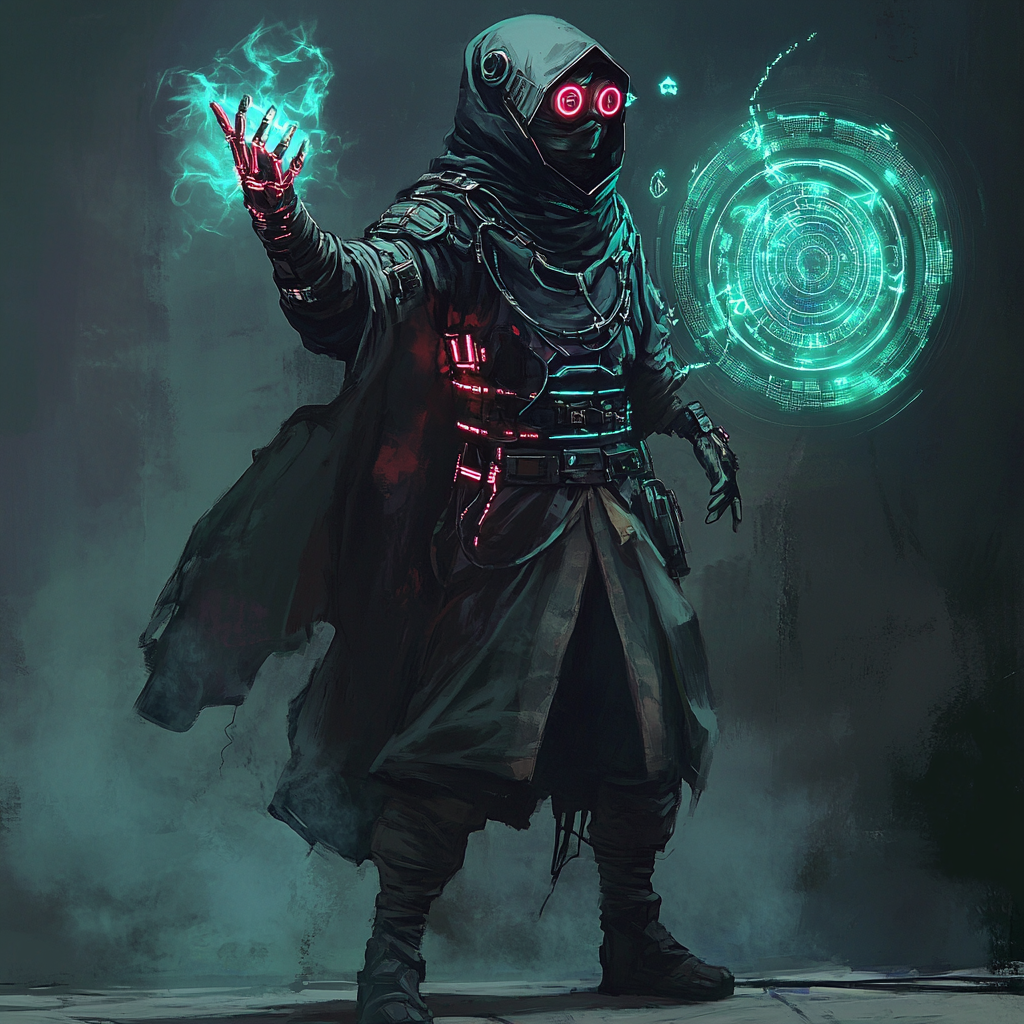
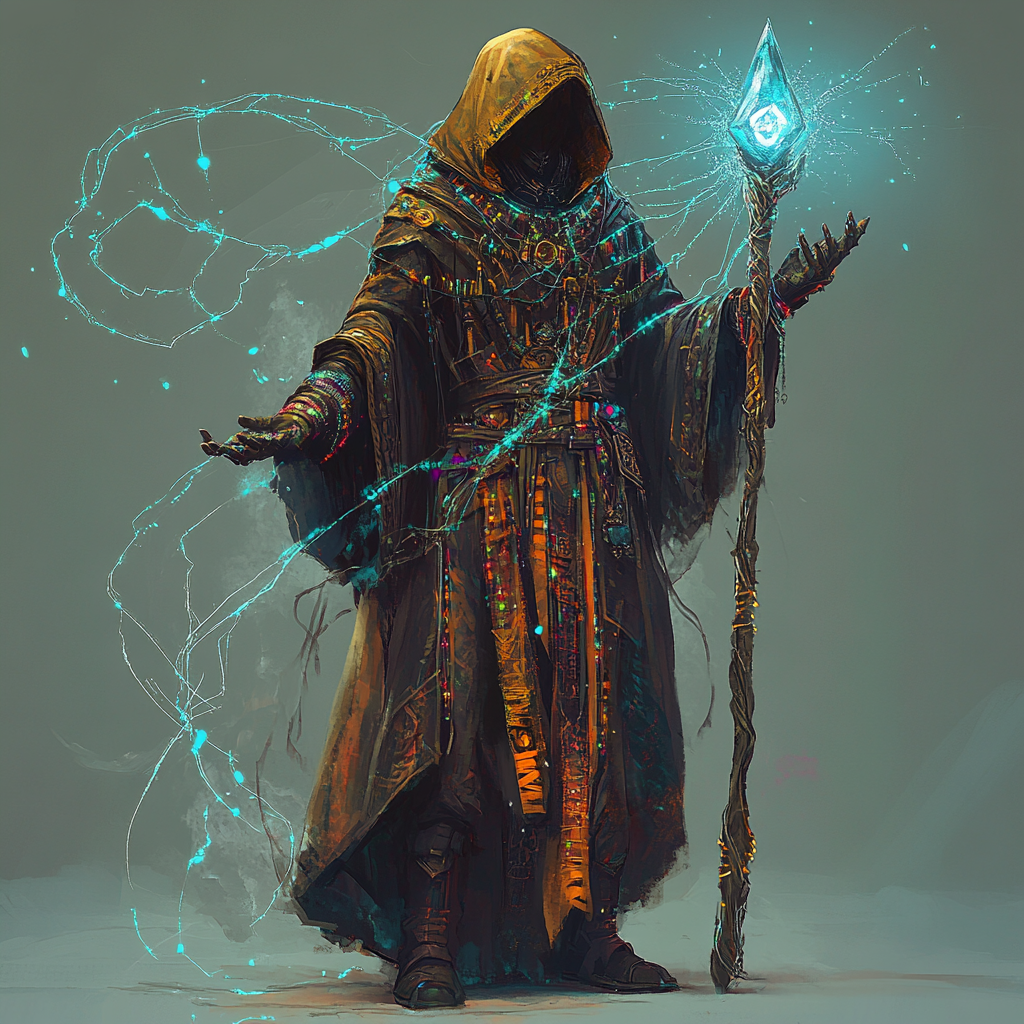
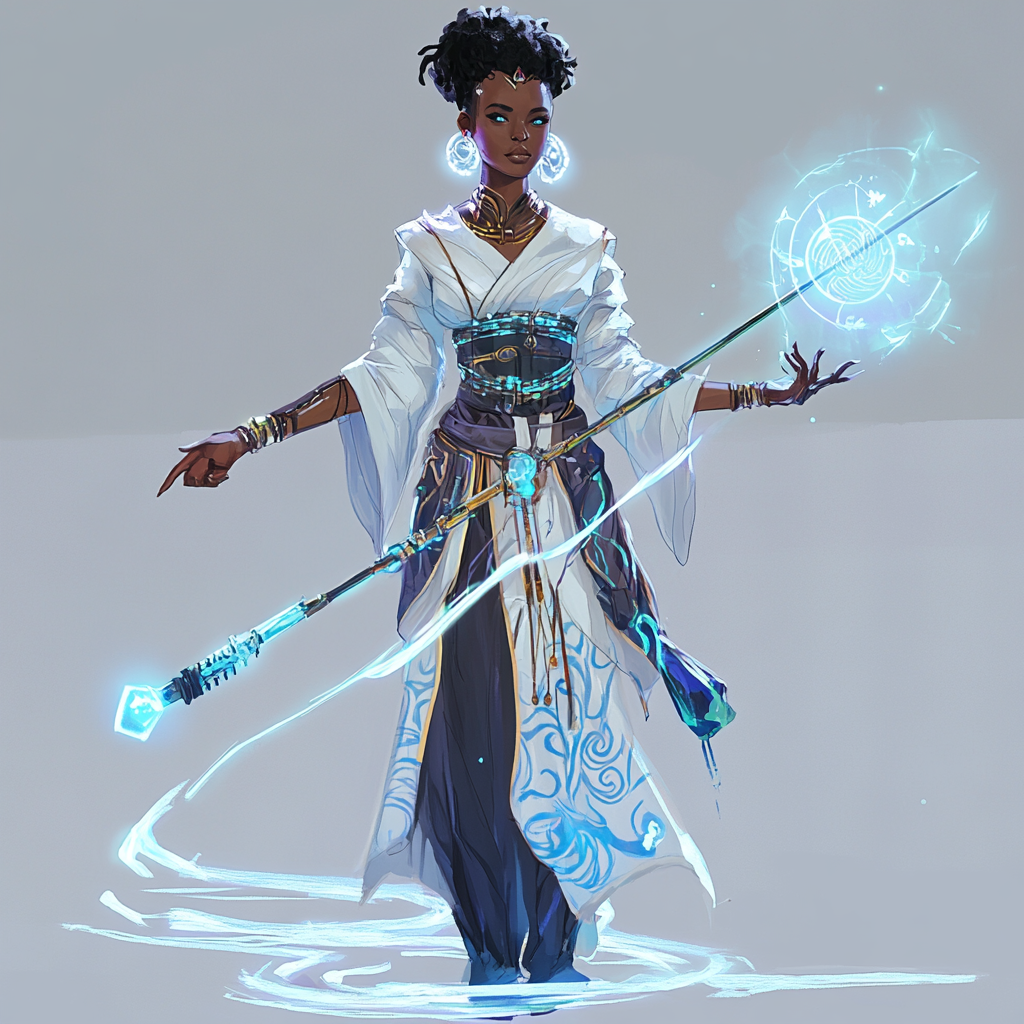
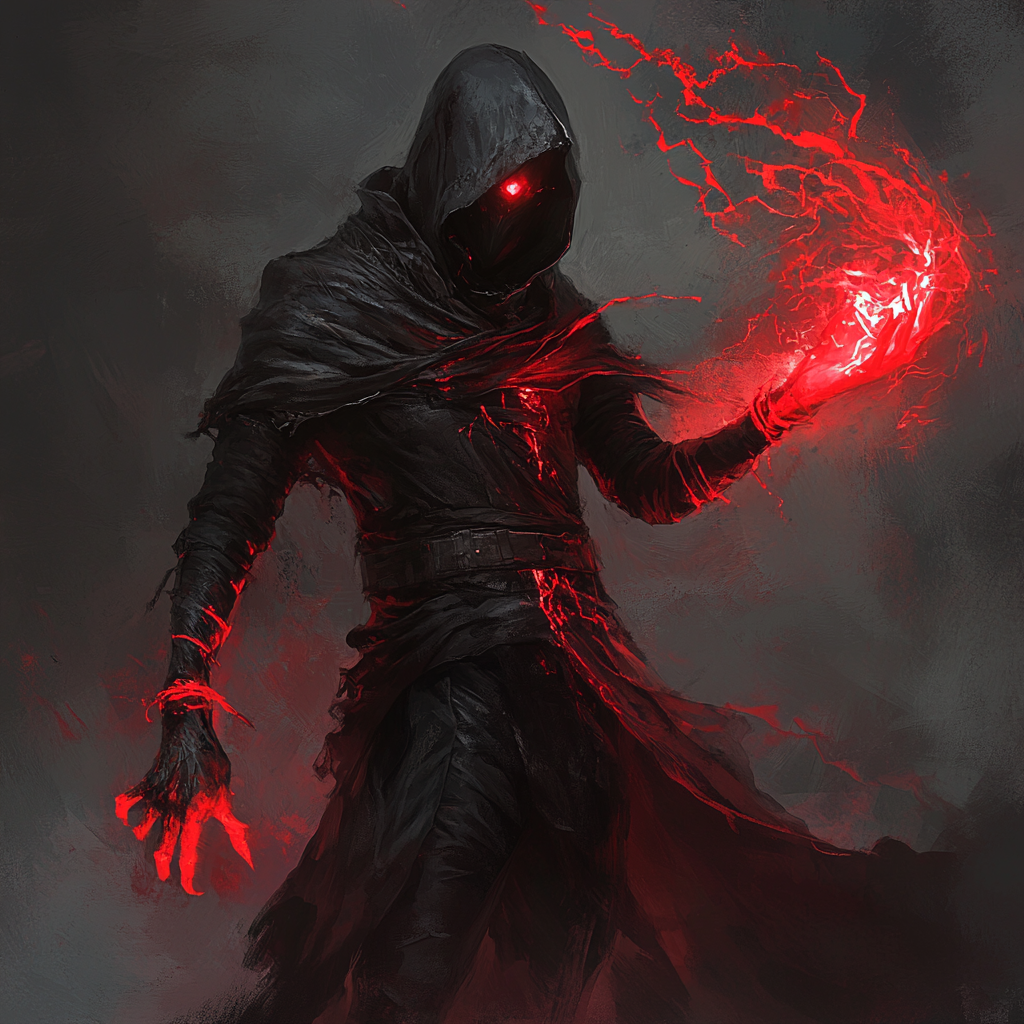
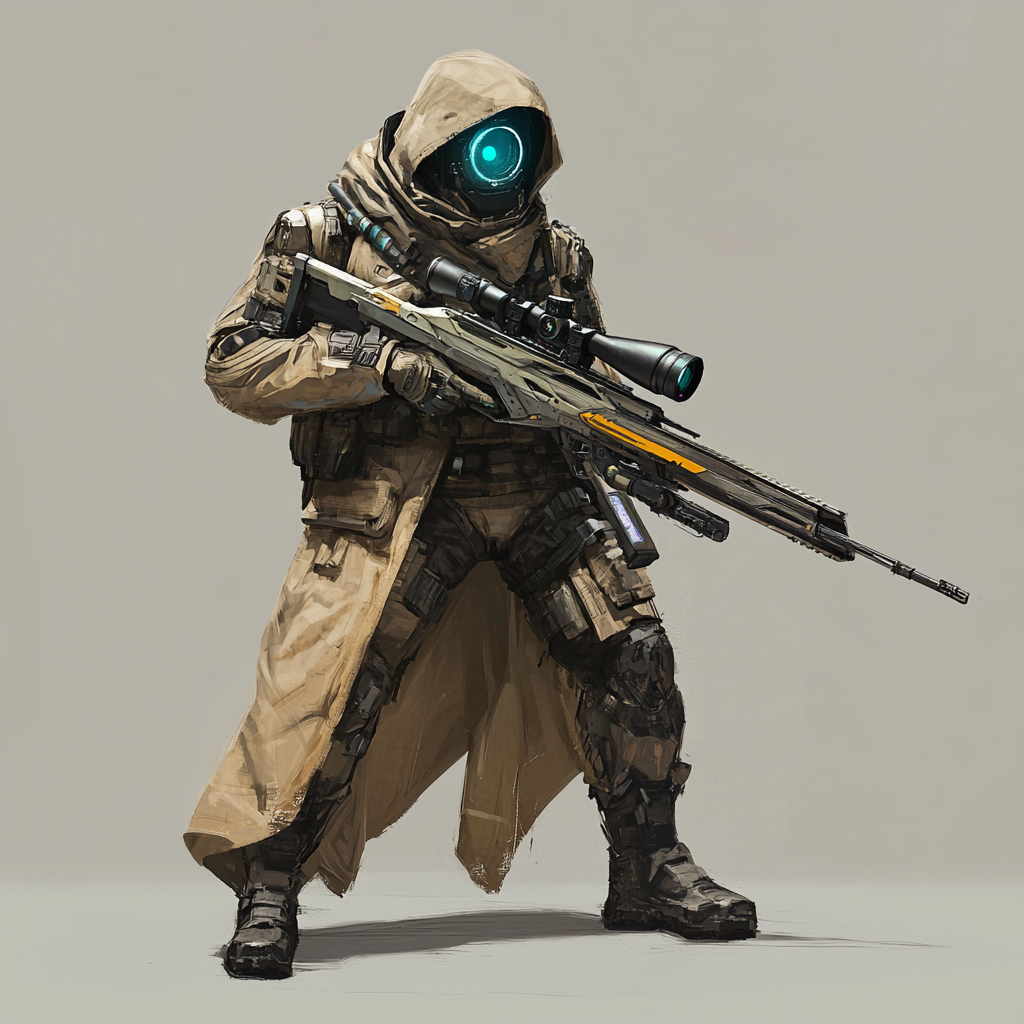
Concept art below. In-game, classes are represented as 48×48 layered pixel sprites with customizable body, face, hair, armor, weapon, and accessory layers composited in real-time.

Street Samurai
Street Samurai
Melee DPS
Blade-focused close combatant. Fast, lethal, honorbound.
Netrunner
Netrunner
Tech / Magic Hybrid
Holographic spell circles meet hacking protocols.
Ley Mage
Ley Mage
Pure Caster
Raw ley energy channeled through ancient staves.
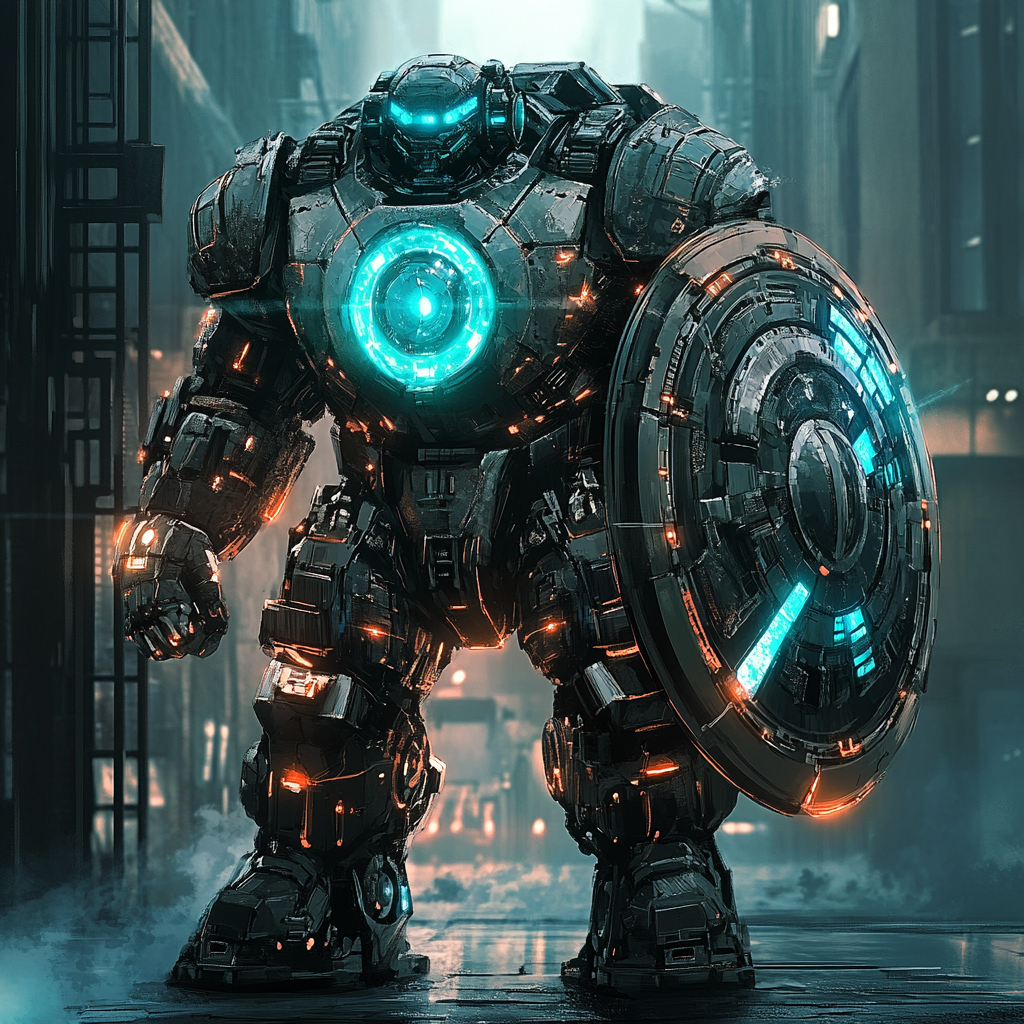
Enforcer
Enforcer
Heavy Tank
Powered armor. Tower shield. Immovable object.
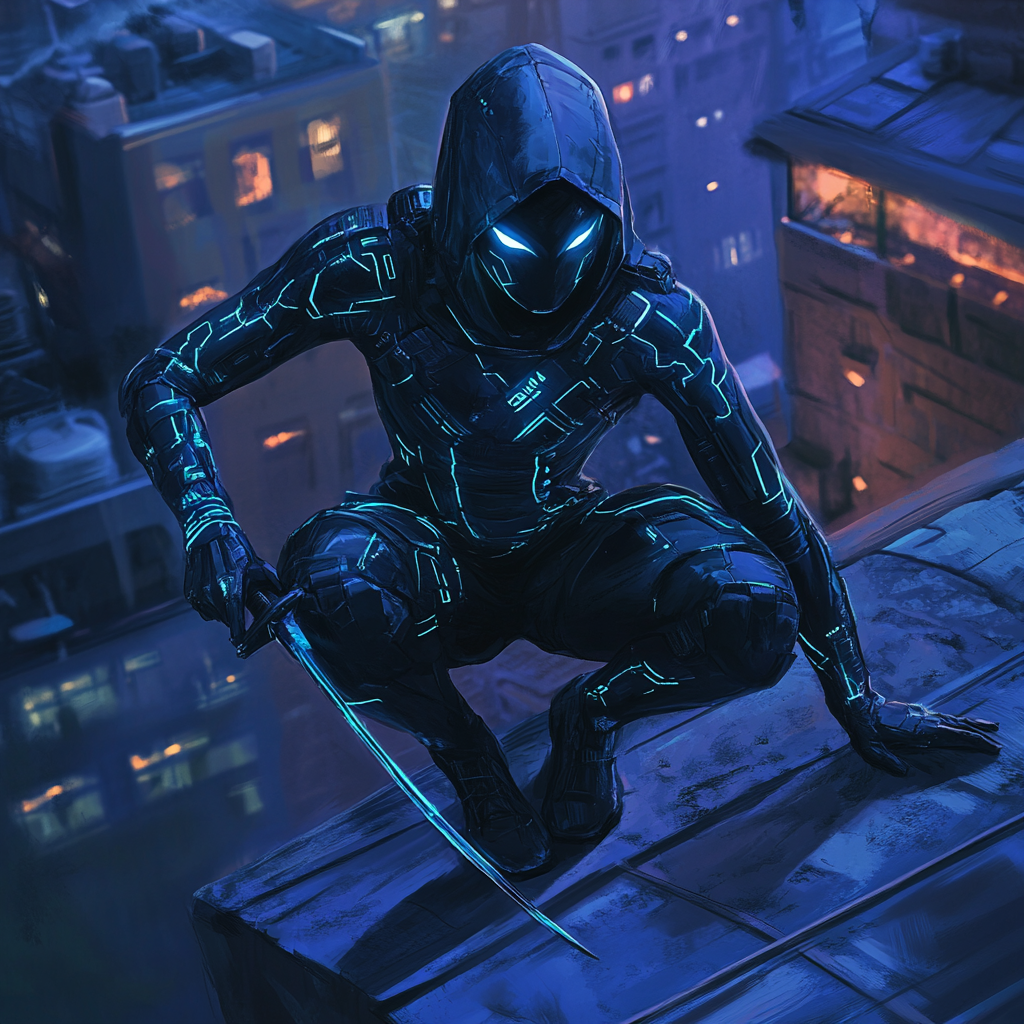
Circuit Ninja
Circuit Ninja
Stealth / Rogue
Circuit-traced bodysuit. Rooftop predator.
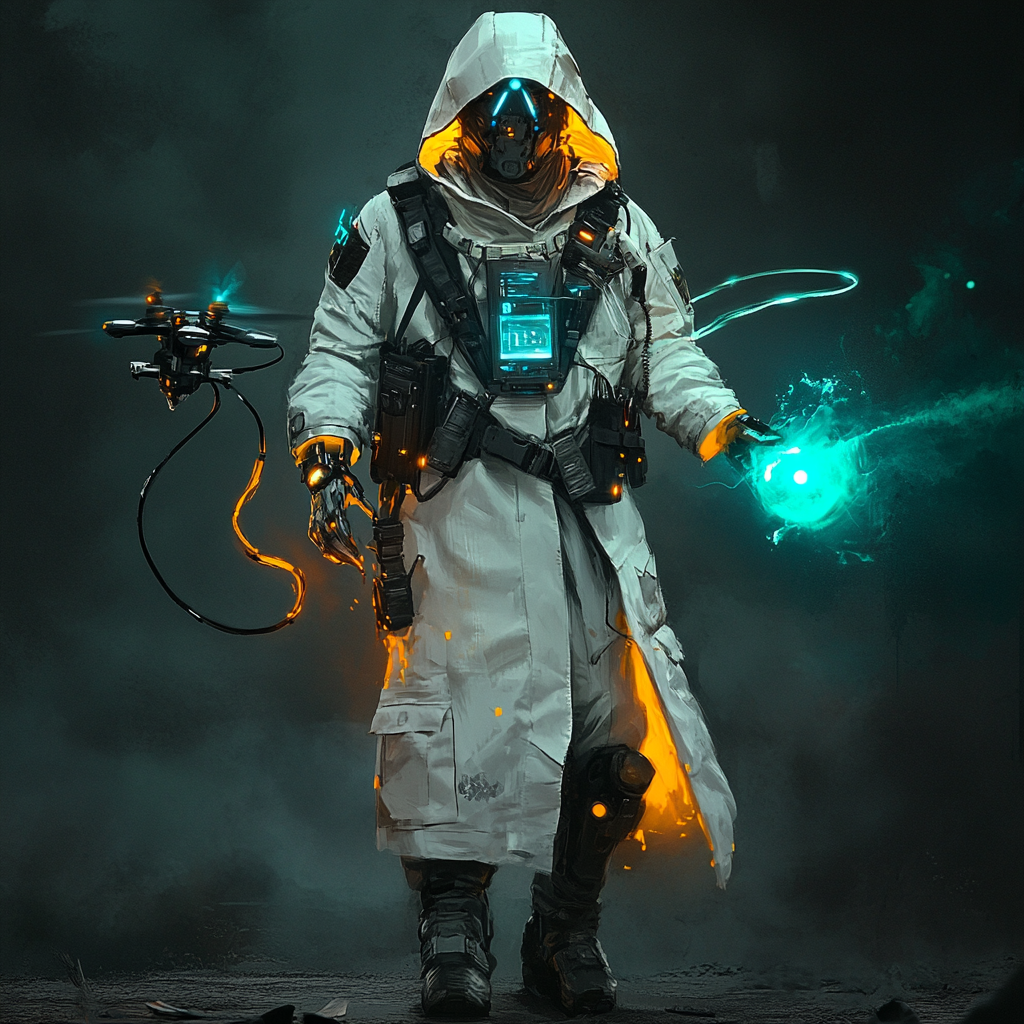
Iron Medic
Iron Medic
Primary Healer
Combat medic with drone support and ley restoration.
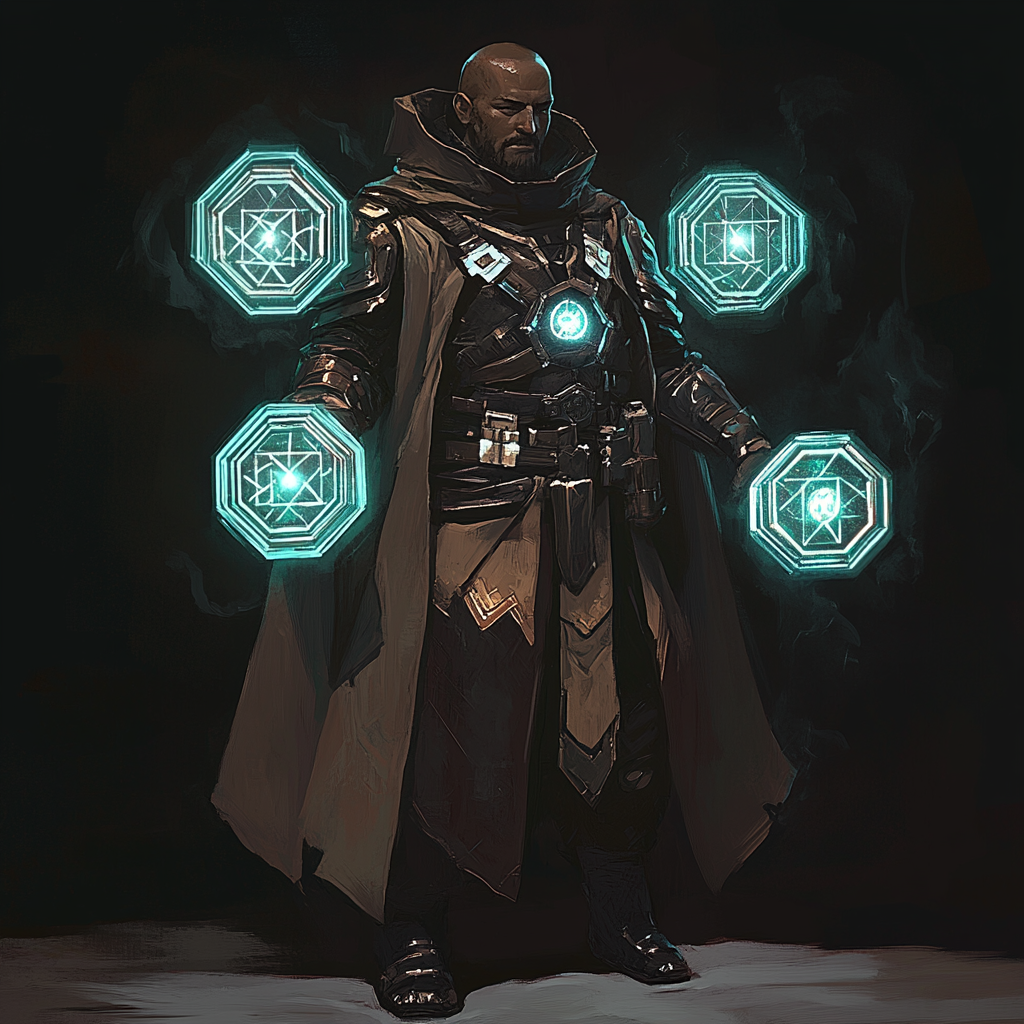
Hexwarden
Hexwarden
Magical Tank
Floating hex barriers. Ancient wards, modern armor.
Resonant
Resonant
Support Mage
Sound-wave healer. Frequency-tuned buffs and shields.
Siphon
Siphon
Drain Healer
Heals by taking. Dark energy. Morally ambiguous.
Rifter
Rifter
Ranged DPS
Magitech sniper. Crystal-fused long rifle. Precision kills.
// Technical Capabilities

What Powers It

The architecture under Disendya — purpose-built systems for autonomous characters, persistent consequences, and real-time multiplayer at scale.

// 01

Autonomous NPC Personalities

AI characters with genuine psychological depth — five-axis personality matrices, emotional memory, and autonomous decision-making that produces emergent behavior indistinguishable from human players.

In Practice
  • Five personality axes: risk tolerance, trust, empathy, ambition, volatility
  • Eight archetype clusters with ±0.15 noise for population variety
  • Agents form opinions, hold grudges, change allegiances autonomously
  • 1,000+ concurrent agents with distinct behavioral signatures
// 02

Consequence & Reputation

Runtime scoring systems that track moral weight, relationship dynamics, and social readability — where actions have mechanical consequences that ripple through NPC populations without scripted triggers.

In Practice
  • Shadow Score: cumulative moral weight with velocity tracking
  • Relationship Engine: bond scores, jealousy cascades, trust thresholds
  • NPCs read your reputation and respond based on their own personality
  • Companion betrayal triggered mechanically, not scripted
// 03

Real-Time Multiplayer

WebSocket-driven synchronization for concurrent users with conflict resolution, turn management, graceful disconnect handling, and AI agents that maintain world coherence between sessions.

In Practice
  • WebSocket connections with heartbeat monitoring
  • AI agents run 24/7 — world continues when humans log off
  • Graceful disconnect with NPC autopilot takeover
  • State synchronization across web and mobile clients
// 04

Procedural World Generation

AI-powered content generation that creates coherent, interconnected worlds — with lore consistency, narrative pacing, consequence tracking, and backstory generation that feeds directly into agent behavior.

In Practice
  • Crossing backstory generation shapes NPC goals and trauma
  • Crossing type (acute/chronic) and epoch drive social dynamics
  • Procedural quest generation with divergence tracking
  • Biome-specific encounter tables and faction territory logic
// 05

Interactive Narrative

Authored storylines that interleave with procedural systems — canon story modes with intelligent divergence tracking, convergence hooks, and AI characters who respond to the narrative meaningfully.

In Practice
  • Canon story mode with graceful off-script adaptation
  • Fully procedural freeplay mode alongside authored content
  • Three-tier content system (Teen/Adult/Mature) with tone control
  • Trans-modal storytelling: RPG, visual novel, novel adaptations
The seal is breaking.

The Lattice is thinning. The crossings are accelerating. The seal beneath the city is failing. And somewhere in the noise, someone knows why.

Explore the World & Story →